Mycorrhiza: The Root-Fungus Partnership
The term "mycorrhiza" comes from the Greek mycos (fungus) and rhiza (root). It describes one of the most important and ancient symbiotic associations on Earth—a partnership between fungi and plant roots that dates back over 400 million years [2].
Key Points
- Over 90% of land plants depend on mycorrhizae
- Vital exchange: Phosphorus/Water for Sugars (Carbon)
- Ectomycorrhizae produce most of our prized forest mushrooms
- Arbuscular mycorrhizae are essential for global agriculture
- Protects plants against environmental stress
The Nutrient Exchange
In this symbiosis, the fungus dramatically extends the absorptive surface of the plant. The fungal mycelium can explore a much larger volume of soil than roots alone, accessing water and nutrients (especially phosphorus and nitrogen) in micropores inaccessible to roots. In return, the plant provides the fungus with sugars produced by photosynthesis—up to 20% of its carbon production [2].
The Two Main Types
While several types exist, two dominate terrestrial ecosystems:
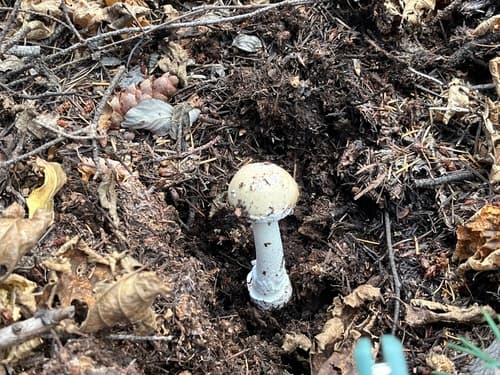
Ectomycorrhiza (ECM)
Mechanism: The fungus wraps around the root and grows between cells (Hartig net).
Hosts: Forest trees (Oaks, Pines, Beeches).
Porcini, Chanterelles, Amanitas.
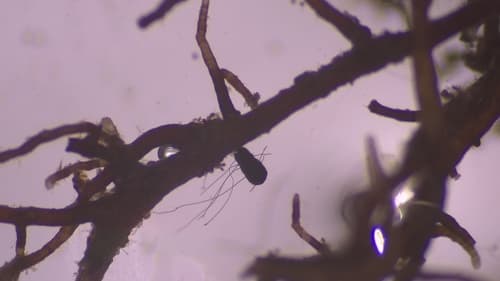
Arbuscular Mycorrhiza (AM)
Mechanism: The fungus penetrates inside root cells to form exchange structures (arbuscules).
Hosts: 80% of plants (Grasses, Crops, Tropical trees).
Microscopic fungi (Glomeromycota).