Fungal Life Strategies
Fungi have evolved remarkably diverse life strategies to obtain their nutrients. These strategies—or ecological guilds—determine how each species interacts with its environment and other organisms.
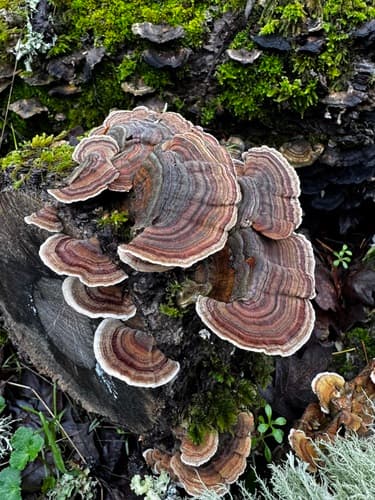
🍂 Saprotrophs
Saprotrophs are nature's recyclers. They decompose dead organic matter—fallen leaves, wood, dung, and other debris. Without them, forests would be buried under meters of undecomposed plant material. Examples include oyster mushrooms (Pleurotus), which break down wood, and inky caps (Coprinus), which decompose dung.
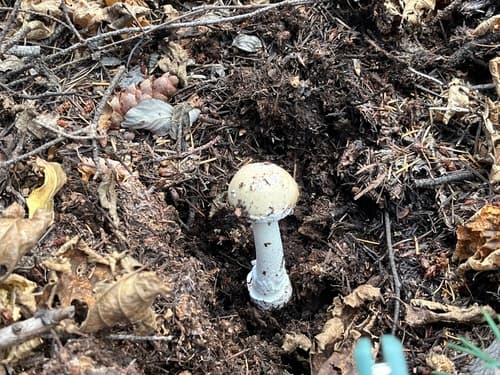
🌳 Mycorrhizal Symbionts
These fungi form mutually beneficial partnerships with plant roots. The fungus extends the absorptive capacity of roots and helps the plant obtain water and minerals (especially phosphorus). In return, the plant provides sugars to the fungus. It's estimated that over 90% of land plants form mycorrhizal associations.

💀 Pathogens
Pathogenic fungi cause diseases in plants, animals, or other fungi. For plants, this includes rusts, smuts, and powdery mildews that can devastate crops. Some fungi are pathogens of insects—like Cordyceps, which parasitizes ants and other arthropods.
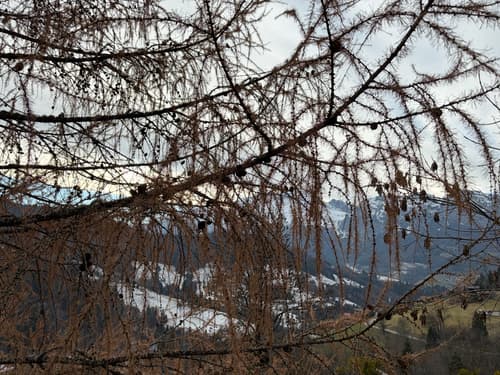
🪨 Lichens (Lichenized)
Lichenizing fungi form stable symbioses with algae or cyanobacteria. This association forms a composite organism—the lichen—capable of surviving in extreme environments where neither the fungus nor the alga could survive alone.
Note: Ecological guilds are often inferred from taxonomic or environmental data [1]. Some species may switch strategies depending on conditions or combine multiple modes of nutrition.